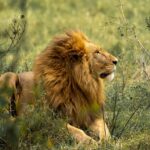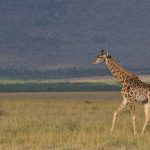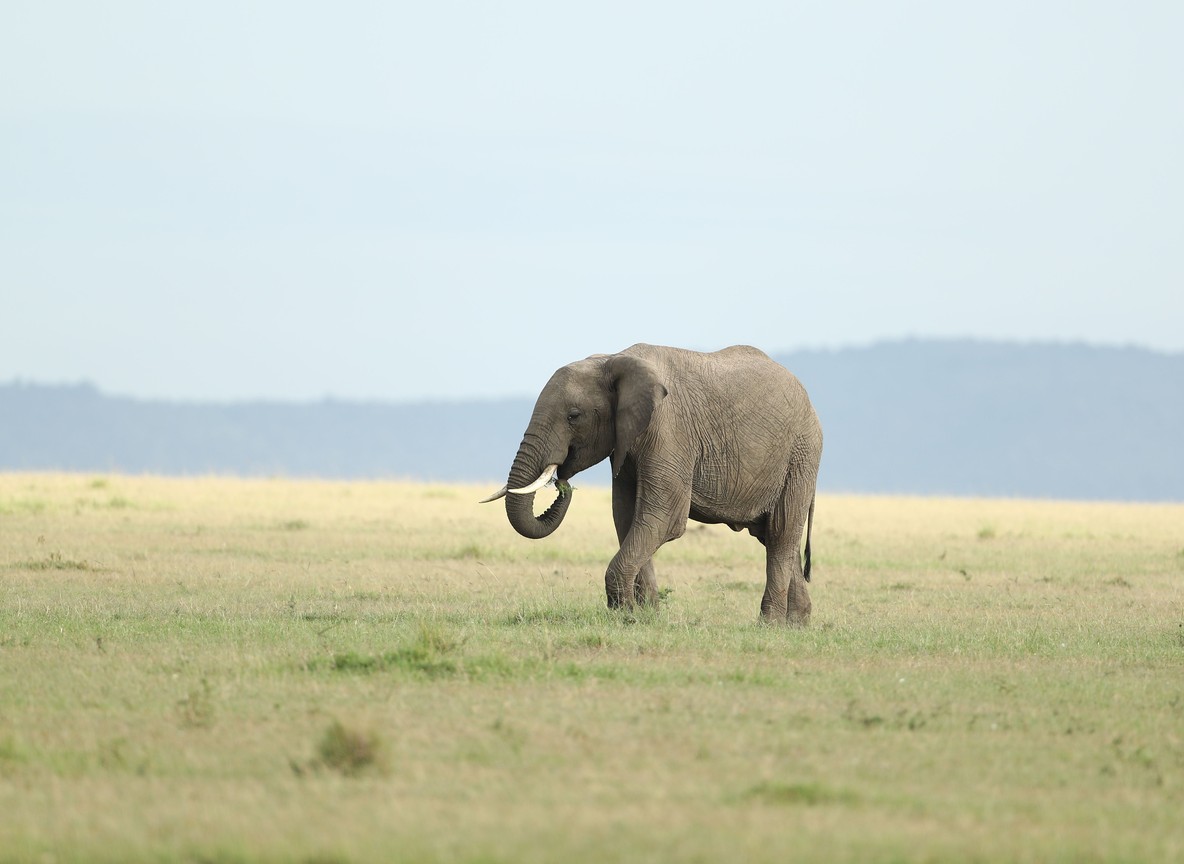
When planning a trip to Kenya’s most famous wildlife area, one question comes up early: should you stay inside the Masai Mara National Reserve, or choose a camp within one of the surrounding private conservancies? The answer matters. Masai Mara conservancy vs national reserve is not just a pricing question — it shapes your entire game drive experience, from what hours you can drive to how many vehicles share a sighting with you.
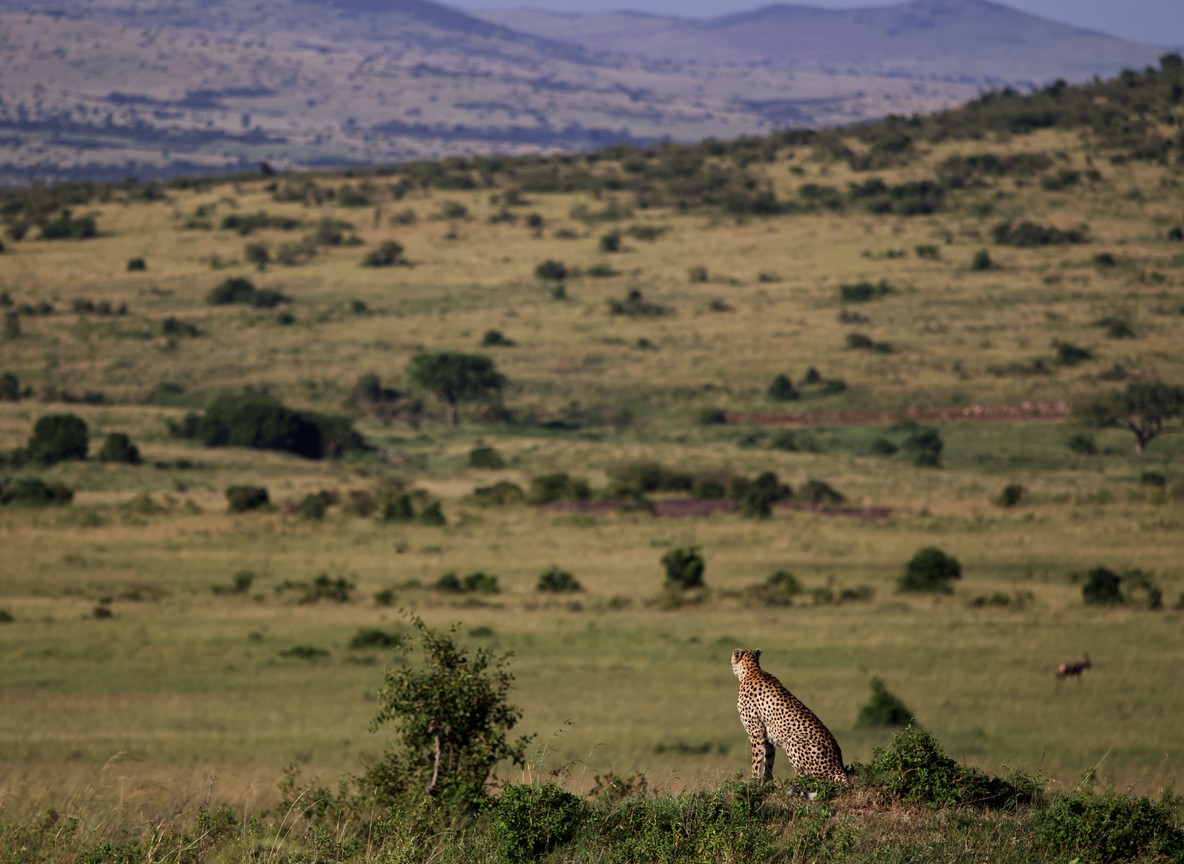
This guide covers the rules, costs, crowd dynamics, and practical trade-offs so you can make an informed decision before booking.
What Is the Masai Mara National Reserve?
The Masai Mara National Reserve covers 1,510 km2 of savannah, riverine forest, and open grassland in southwestern Kenya. It is managed by the Narok County Government and open to any visitor who pays the daily park entry fee. Entry is available through multiple gates including Sekenani, Talek, Sand River, Ololaimutia, and Oloololo.
There is no daily cap on the number of vehicles that may enter. Camps and lodges within or adjacent to the reserve range from budget tented properties to high-end permanent camps. During peak season, the reserve is one of Africa’s most visited wildlife destinations.
What Is a Masai Mara Conservancy?
A Masai Mara conservancy is a block of community-owned Maasai land, typically leased from local landowners, that has been set aside for wildlife habitat rather than livestock grazing. The landowners receive lease income funded in part by the conservancy camps operating on the land. Guests who stay at these camps pay a conservancy fee, either as a separate charge or bundled into the nightly rate, that flows back to the community.
The main conservancies bordering the national reserve include:
- Olare Motorogi Conservancy (approximately 35,000 acres, northeast of the reserve)
- Naboisho Conservancy (approximately 50,000 acres, northeast)
- Mara North Conservancy (approximately 74,000 acres, north of the reserve)
- Ol Kinyei Conservancy (eastern corridor)
- Mara Siana Conservancy (southeast)
- Lemek Conservancy (north)
- Nkoilale Conservancy (northwest)
Each conservancy sets its own internal rules. Those rules are where the experience diverges most sharply from what the national reserve allows.
Masai Mara Conservancy vs National Reserve: Rules and What They Mean for You
This comparison comes down to five practical differences that directly affect how your days in the field feel.
| Experience Factor | National Reserve | Private Conservancy |
|---|---|---|
| Night game drives | Not permitted | Permitted |
| Walking safaris | Not permitted | Permitted (guided) |
| Off-road driving | Not permitted | Permitted |
| Vehicle cap per sighting | No cap | Typically 3-5 vehicles maximum |
| Daily visitor cap | None | Yes, tied to total bed count |
| Daily fee | $80-$100 per person | Conservancy fee ($70-$120/night) plus park fee if entering the reserve |
Night Game Drives
All vehicles must exit the national reserve by the published closing time, typically around 7pm. Conservancies lift that restriction entirely. Night drives use red-filtered spotlights and reveal species that rarely appear in daylight: aardvark, genet, serval, spring hare, honey badger, and the lions and leopards that are most active after dark. For many travelers, the availability of night drives is the single most persuasive reason to choose a conservancy camp.
Walking Safaris
Guided walking safaris are not permitted inside the national reserve boundaries. In a conservancy, trained and armed rangers can lead small groups on foot through the bush. The sensory difference from a vehicle is considerable: you notice track patterns at close range, bird calls at eye level, insect activity underfoot, and the particular alertness that comes from being in predator country without metal around you. Walking safaris are not for everyone, but they are simply not available in the main reserve at all.
Off-Road Driving
Reserve rules require vehicles to stay on established tracks at all times. Conservancies allow off-road driving, which means a guide can leave the track and reposition the vehicle for the best angle on a hunt, a leopard at a kill, or a cheetah moving through tall grass. That permission changes the observational and photographic quality of every sighting in a meaningful way.
Crowd Levels: What to Expect in Each Zone
The crowd gap between the two zones is most visible during peak migration season, July through October.
In the national reserve, there is no cap on daily vehicle numbers. During high season, popular sighting areas and migration crossing points along the Mara River can draw 30 to 60 vehicles at once. The reserve’s road network distributes some of that density, but it is not unusual for a major predator sighting to attract a large convoy.
Conservancies enforce strict guest limits linked to the total number of beds across all camps within their boundaries. Olare Motorogi Conservancy, for example, holds fewer than 100 guests across all its camps at any one time, spread over 35,000 acres. The result is that low-vehicle sightings become the norm rather than the exception, even during the busiest weeks of the year.
A traveler who wants to spend an uninterrupted hour with a leopard and no other vehicles nearby will find that experience far easier to achieve in a conservancy than in the main reserve during peak season.
What Conservancy Fees Cover
The national reserve charges $80 to $100 per person per day for non-resident adults (2026 rates). Conservancy fees add $70 to $120 per person per night on top of camp accommodation costs. At most conservancy camps, these fees are folded into the all-inclusive nightly rate, which typically covers accommodation, meals, game drives, and conservancy access. Some camps also include the park fee when guides take guests into the national reserve on day drives.
The direct cost per night at a conservancy camp runs higher than at a reserve-adjacent property of comparable standard. What that premium covers is the full suite of activities, lower vehicle density, and more time with individual animals rather than cycling through sightings. Whether the premium makes sense depends on what the trip is built around.
Wildlife Access in Each Zone
Both zones hold the same species. The national reserve and the surrounding conservancies share open or semi-open boundaries, and wildlife moves freely across them. Lions, leopards, cheetahs, elephants, buffalo, hippos, and crocodiles are all present throughout the wider ecosystem.
The difference is not in which animals are present but in how encounters happen. Conservancy conditions, off-road access, low vehicle counts, and extended time at a sighting produce a different quality of observation than reserve rules permit. Resident predators, particularly lions and cheetahs, often concentrate in conservancy grasslands during peak season when the main reserve becomes busier.
The Great Migration river crossings take place primarily within the national reserve near the Mara River. If witnessing a mass crossing is the central goal of the trip, the reserve is the appropriate base.
Which Option Fits Your Trip?
A conservancy camp is likely the better choice if:
- Night game drives are a priority
- You want access to walking safaris
- Photography is a serious focus and off-road positioning matters
- You prefer low-vehicle sightings and a quieter atmosphere
- You are a returning visitor looking for a step beyond the standard reserve experience
The national reserve is likely the better fit if:
- Cost is the primary constraint and reserve-adjacent camps offer better value
- You are visiting specifically for the Great Migration river crossings
- You are a first-time visitor and want broad exposure to the ecosystem before choosing a more specialized experience
- You need the widest range of accommodation options at different price points
A combined approach works well for travelers with enough nights: two or three nights in the reserve area for migration access and wide coverage, followed by one or two nights in a conservancy for the exclusive activity options.
Explorer Notes
- Conservancy camps sell out well in advance of peak season. If your dates fall between July and October, book conservancy nights several months ahead.
- Not all conservancies offer all activities. Confirm with the specific camp that night drives and walking safaris are included in your rate before committing.
- Conservancy fees adjust between seasons. Verify current figures at the time of booking rather than relying on figures from previous trip reports online.
- If you enter the national reserve from a conservancy camp during a day drive, the reserve fee applies separately unless the camp specifies otherwise in their all-inclusive terms.
- Wildlife density in conservancies can be lower than the main reserve during the green season, November through May, when animals spread across a wider range. This period also tends to come with lower conservancy rates and fewer vehicles on the road.
What the Choice Comes Down To
The Masai Mara conservancy vs national reserve decision is fundamentally about what kind of experience you want, not about which zone holds better wildlife. The national reserve offers open access, competitive pricing, the full migration spectacle, and a broad introduction to one of Africa’s most famous ecosystems. The conservancies offer depth: quieter sightings, exclusive activity options, and a pace that lets you stay with wildlife rather than moving on when the next vehicle arrives. Both are valid. Most travelers who have experienced both make room for at least a night or two in a conservancy on subsequent trips.
If this guide has you ready to travel, a safari specialist can handle the route, camps, and logistics end to end.
Want to Book a Tour With Us?